Activities
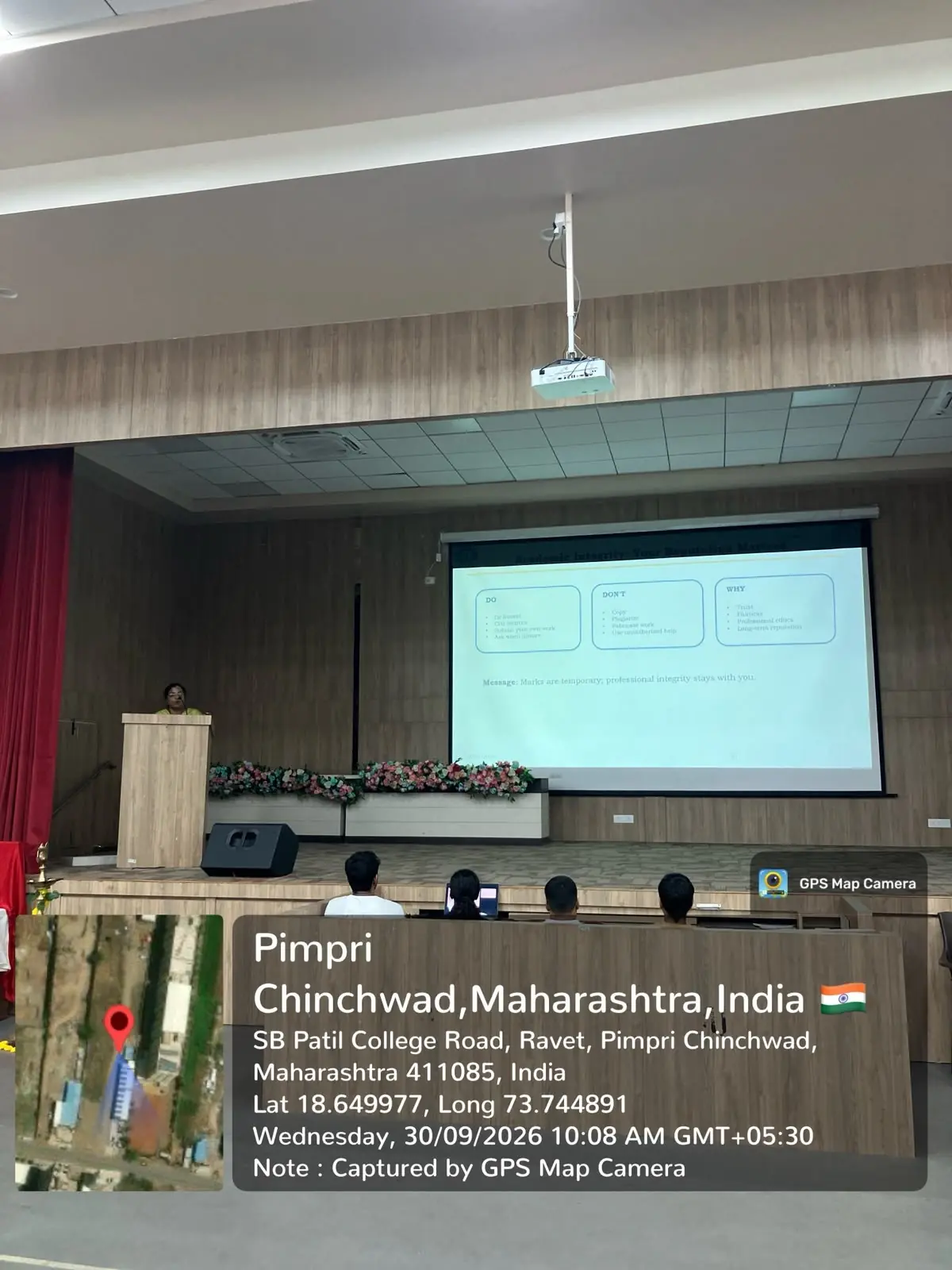
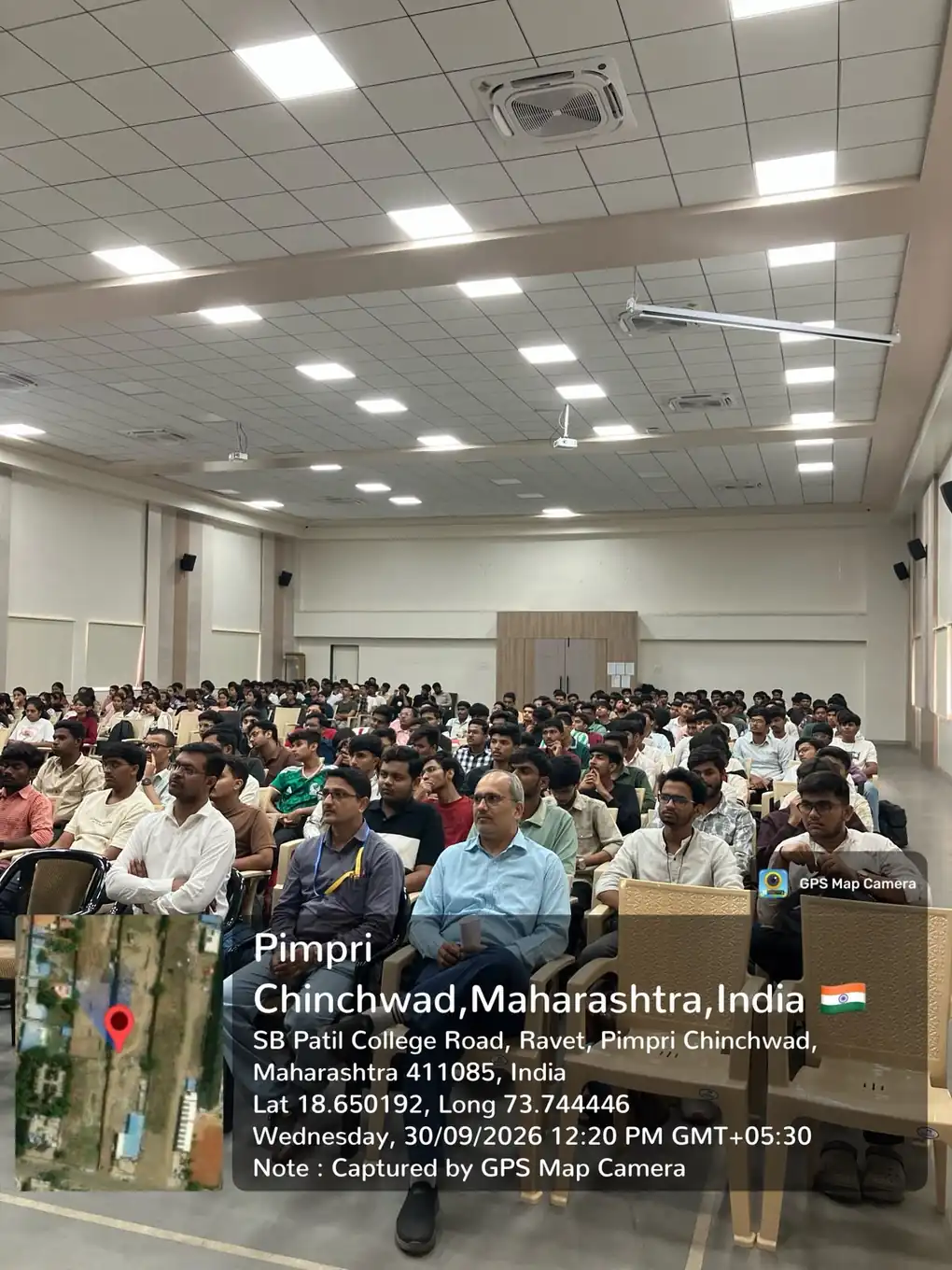
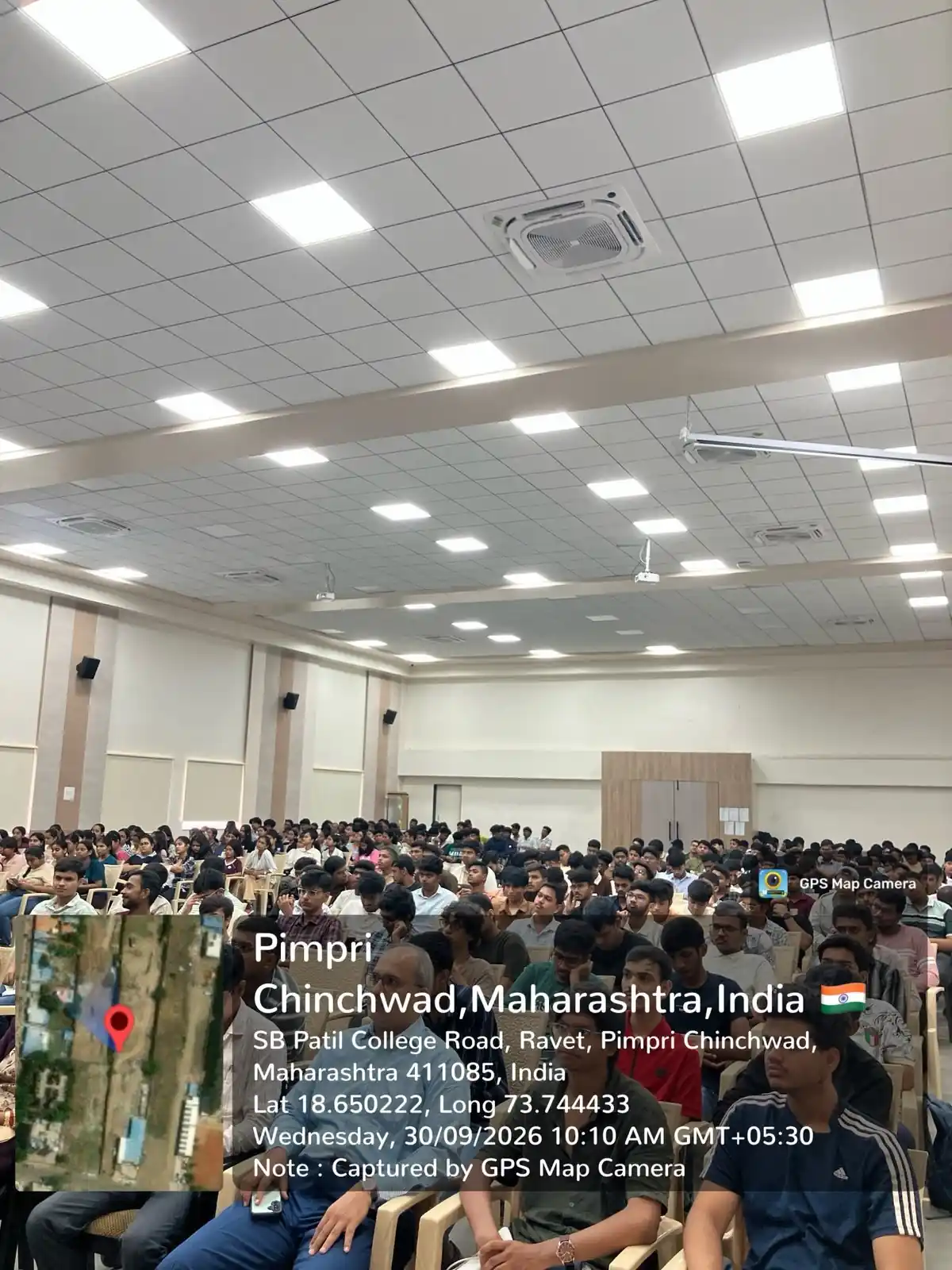
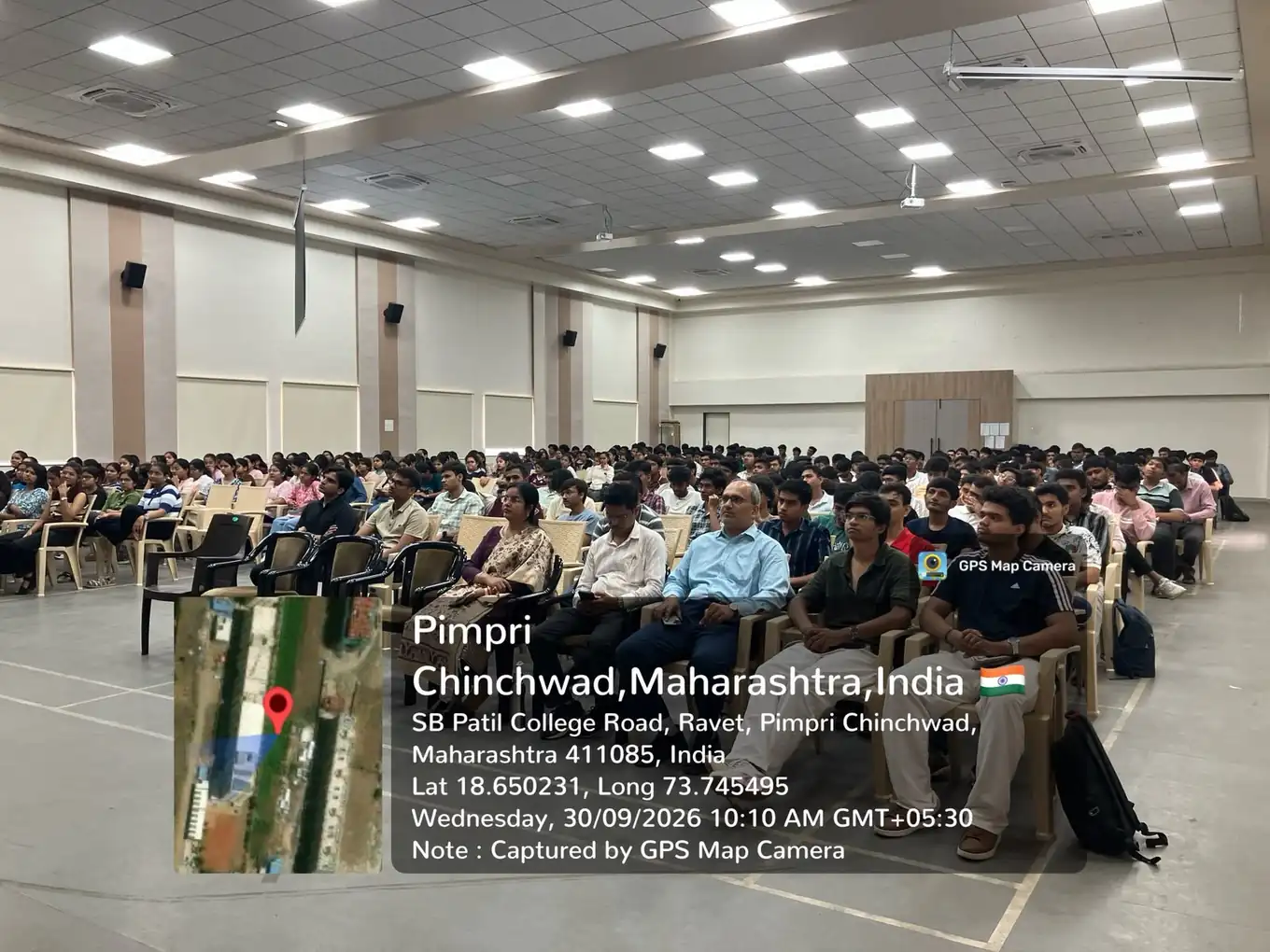
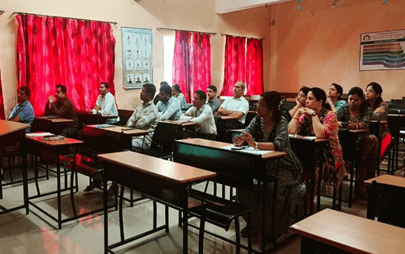
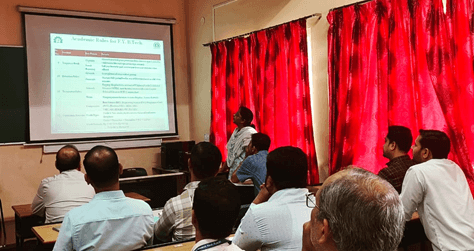
F.Y. B.Tech AUTONOMOUS ACADEMIC ORIENTATION
Speakers: Dr. Archana A. Chaugule
Venue: PCCOER, Ravet
Date: 30th Sept 2026
Organized by: Applied Science & Humanities (First Year Engineering) Department
The F.Y. B.Tech Autonomous Academic Orientation was conducted to introduce students to the autonomous curriculum, course structure, credit system, academic regulations, continuous assessment, end-semester examination pattern, and technical learning framework. The session also highlighted laboratory courses, project-based learning, skill development, and academic progression requirements.
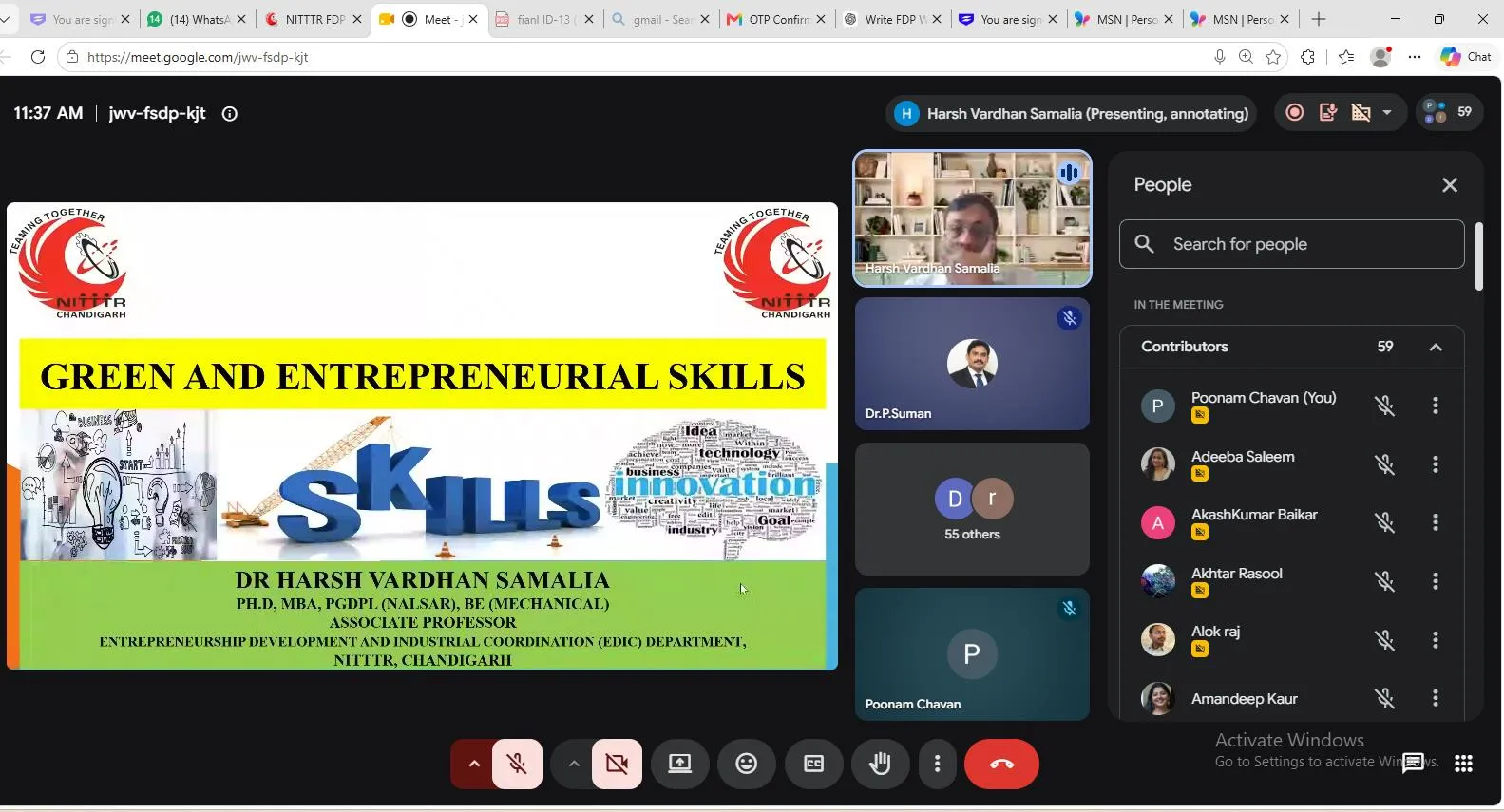
Faculty Development Program on “Green and Entrepreneurial Skills for Viksit Bharat”
Speakers: Experts from NITTTR Chandigarh
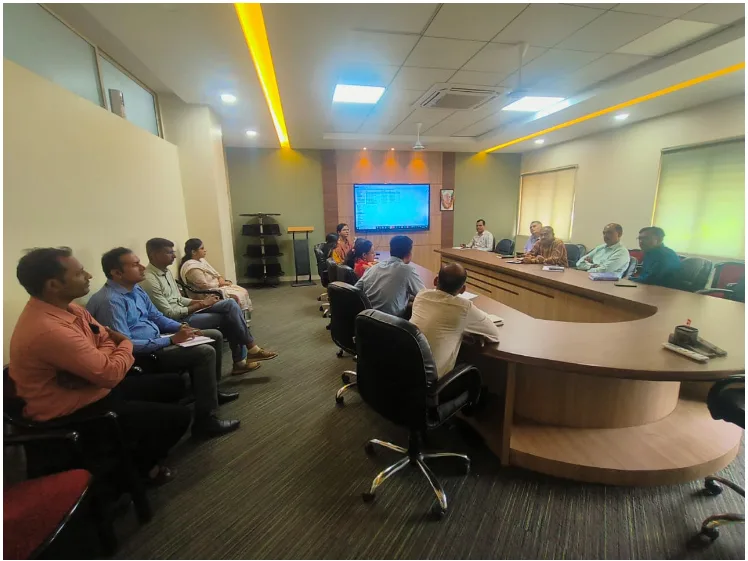
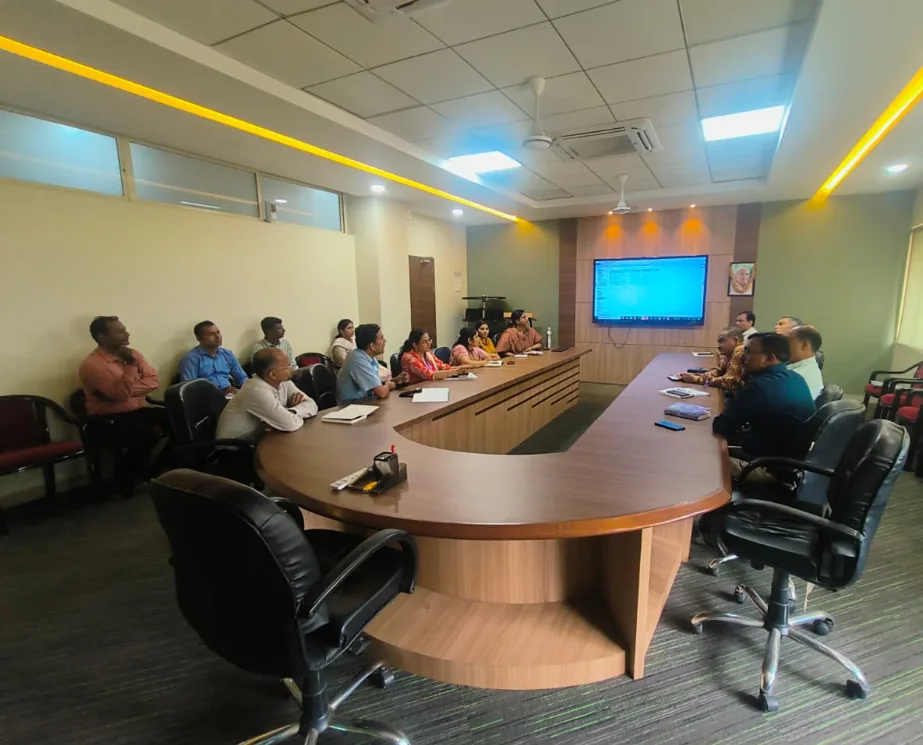
Venue: Online – Remote Centre, PCCOER, Ravet
Organized by: Dean Academics and Department of Computer Engineering, PCCOER, Ravet.
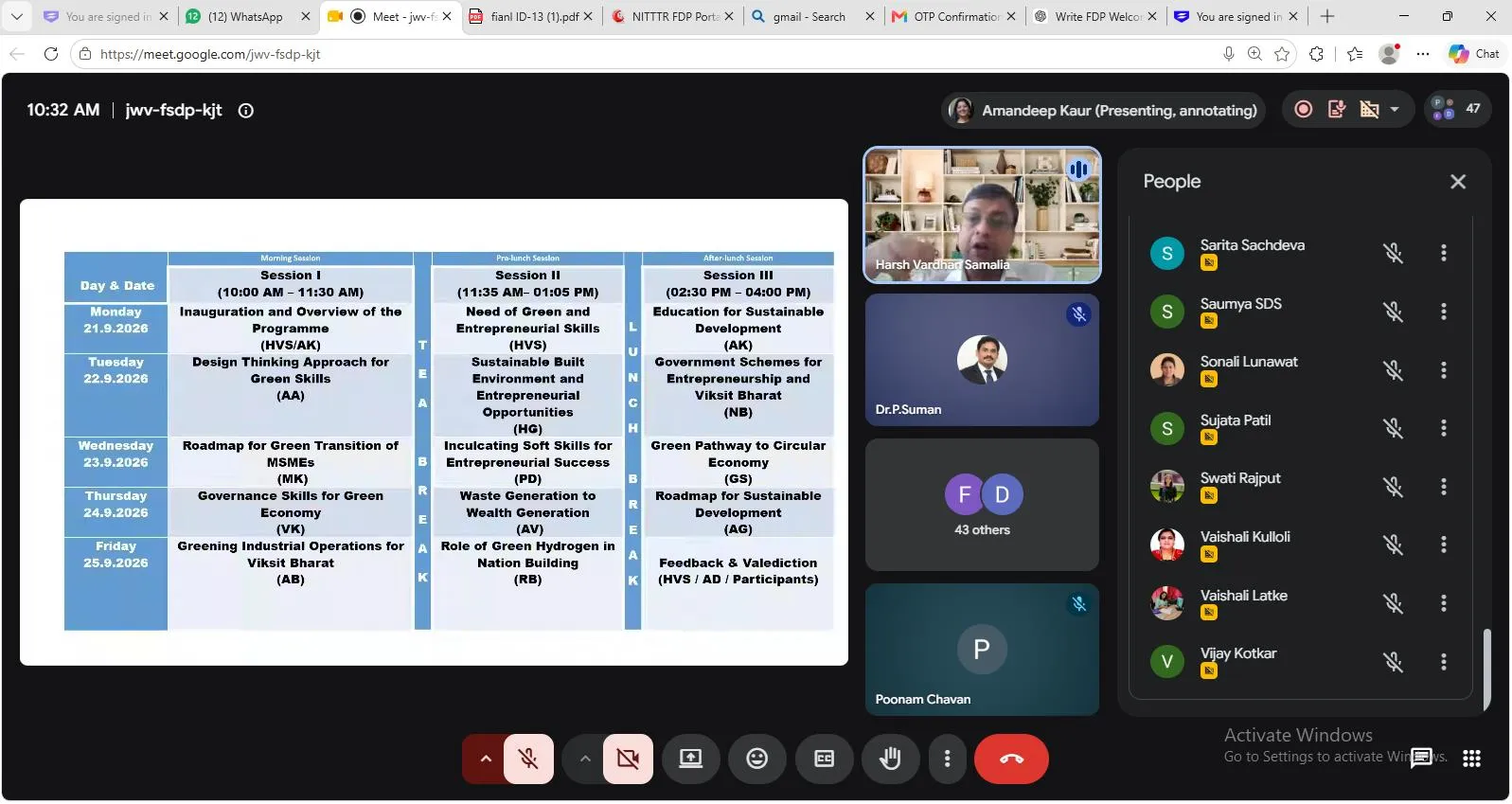
Development Programme (FDP) on “Green and Entrepreneurial Skills for Viksit Bharat” was organized by the Dean Academics and Department of Computer Engineering, PCCOER, Ravet, in association with NITTTR Chandigarh, from 21st to 25th September 2026.
The FDP focused on green skills, entrepreneurship, sustainability, circular economy, green transition, sustainable development, and innovation, fostering competencies aligned with the vision of Viksit Bharat.
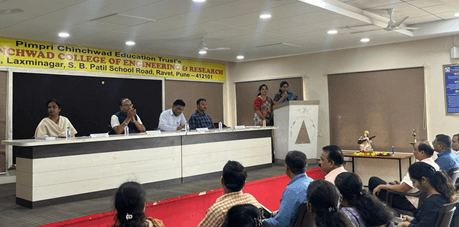
Second Year Autonomy Orientation Session for DAC & HOD
Speaker: Dr. Archana A. Chaugule
Venue: PCCOER, Ravet
Date: 22 June 2026
Organized by: Dean Academics
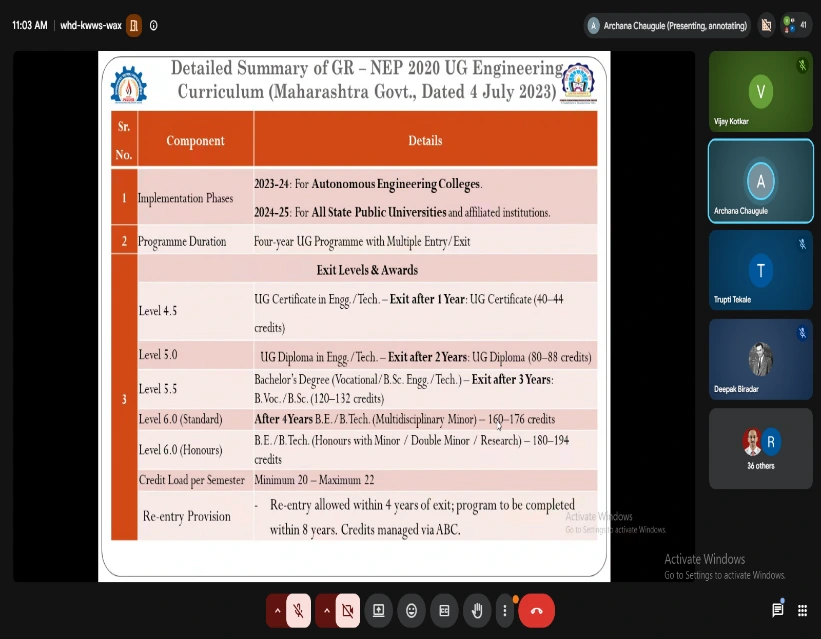
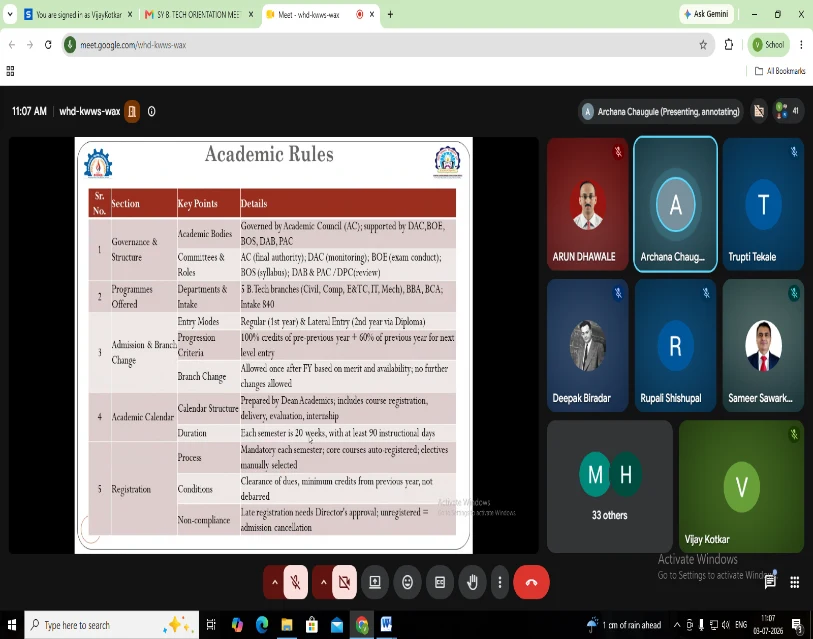
The session oriented HODs and DAC members on the implementation of Second Year autonomy. It covered the NEP 2020 UG Engineering Curriculum, academic rules, the role of the Department Program Committee (DPC), and guidelines for formative assessment and teaching–learning practices to ensure the effective implementation of autonomous academic processes.
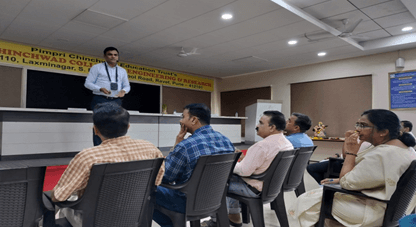
Second Year Autonomy Orientation Session for Faculties
Speaker: Dr. Archana A. Chaugule
Venue: PCCOER, Ravet
Date: 03 July 2026
Organized by: Dean Academics
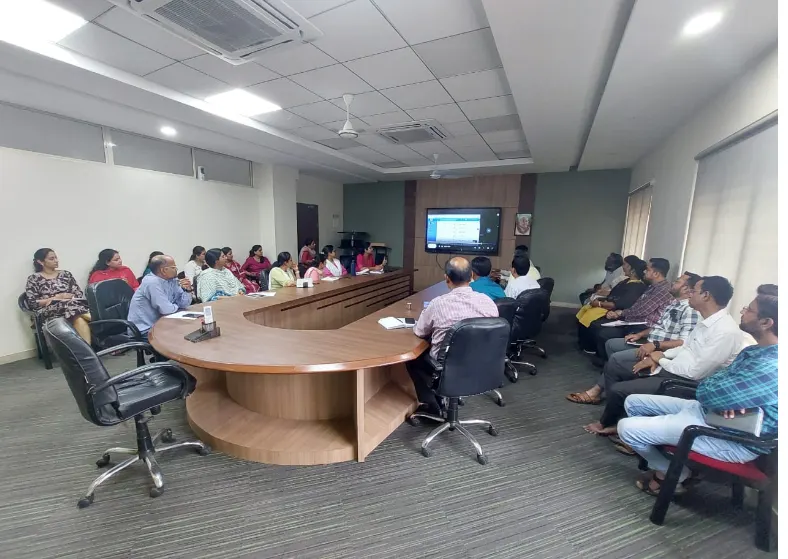
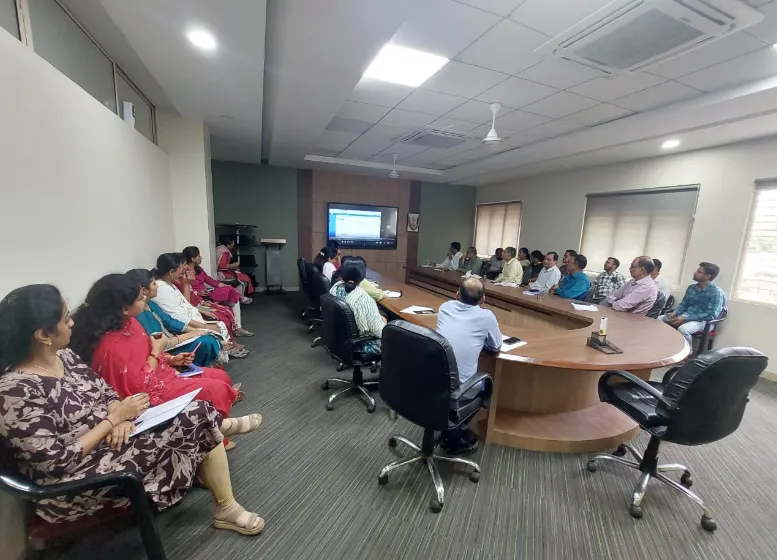
The orientation session introduced Second Year faculty members to the autonomous curriculum and the NEP 2020 UG Engineering Curriculum. It covered academic rules and regulations, the role of the Department Program Committee (DPC), and guidelines for formative assessment, teaching–learning, and academic implementation under the autonomous system.
ERP & Academic Module Training
Speaker: Dr. Amita Rode Patil
Venue: PCCOER, Ravet
Date: 01 July 2026
Organized by: Dean Academics
The session aimed to familiarize HoDs and departmental coordinators with the ERP modules for Second Year autonomy. It covered the Academic and Internal Examination Modules, demonstrated their effective use for academic and examination processes, and addressed implementation-related queries to ensure the smooth and uniform utilization of ERP across all departments.
Orientation Session – Department of Applied Sciences and Humanities
Speaker: Prof. Dr. Archana A. Chaugule, Dean Academics & Dr. Sahil S. Salvi, Associate Dean Academics
Venue: PCET’s PCCOER, Ravet
Date: 19 August 2025
The session aimed to create awareness about academic and administrative autonomy, strengthen quality assurance mechanisms and accreditation readiness, and guide faculty members on effective implementation of NEP 2020 through proper alignment of Course Outcomes (COs) and Program Outcomes (POs).
Expert Session on NEP and Curriculum Design in Higher Education
Speaker: Dr. Pramod Patil, Dean – Faculty of Science & Technology, SPPU
Venue: PCCOER, Ravet
Date: 30 June 2025
The session aimed to create awareness about the implications of the National Education Policy (NEP) 2020 on higher education. It focused on curriculum restructuring and pedagogical reforms aligned with NEP recommendations, and emphasized the importance of developing outcome-based, interdisciplinary, and flexible curriculum frameworks to enhance innovation and employability.